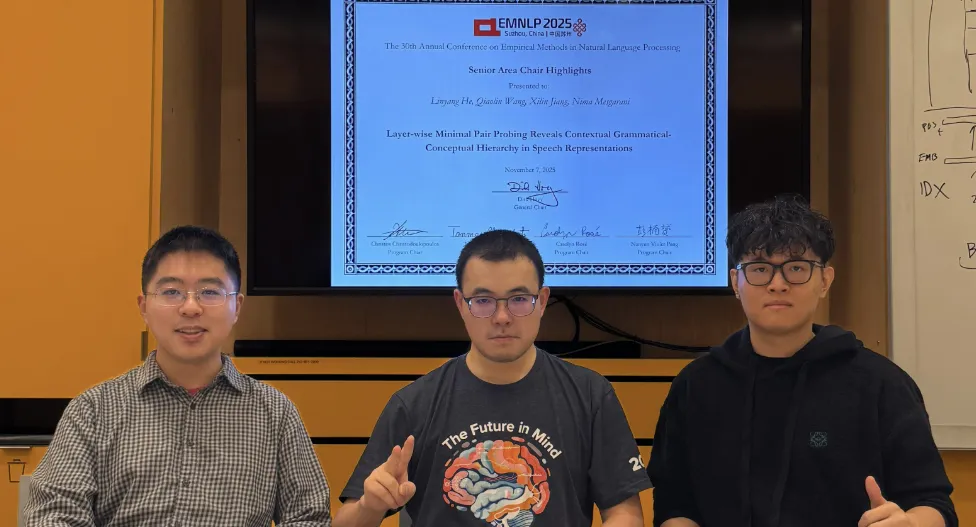
Study led by EE Prof. Nima Mesgarani reveals that modern speech models learn deep grammatical structure from audio alone, challenging long-held assumptions in speech and language AI.
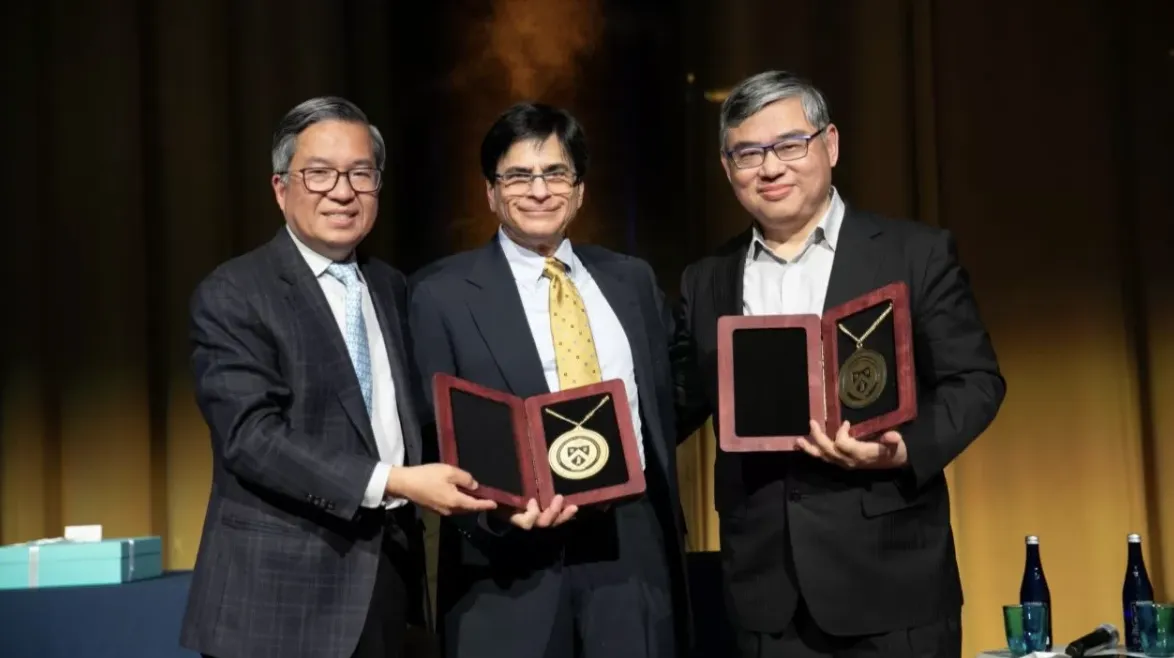
Columbia Engineering honors donors and its newest named professors with a dinner featuring the Archimedes Lecture with Wang Family Professor Steven Feiner.
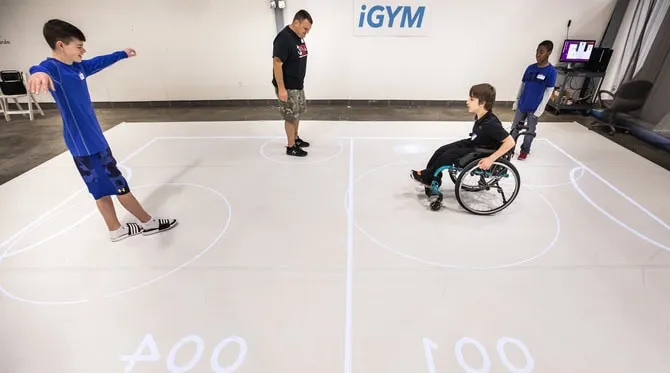
Columbia Electrical Engineering alumni and faculty are central to a new NSF-funded project solving network latency to make therapeutic AR/VR games more responsive.
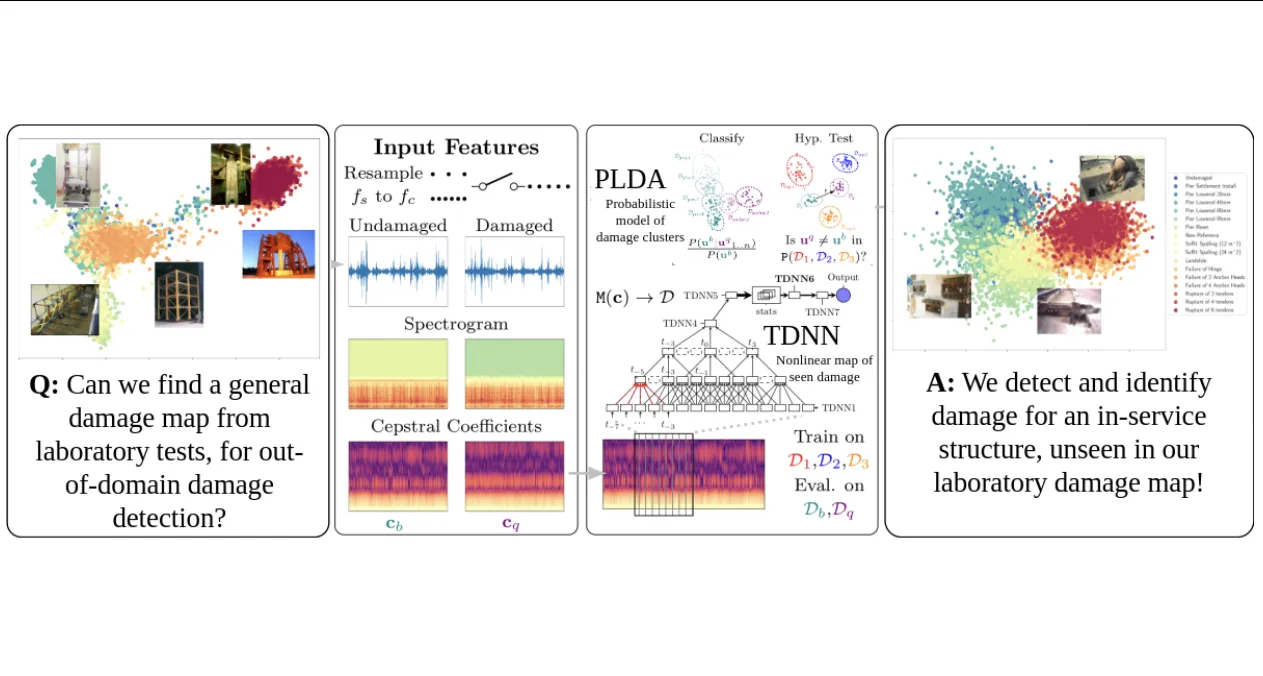
Two new publications in ‘Mechanical Systems and Signal Processing’ and ‘Infrastructures’ introduce a framework for learning damage embeddings from laboratory structures and demonstrate real-time, zero-shot monitoring of unseen fully operational in-service bridges using cepstral features and different neural network paradigms.
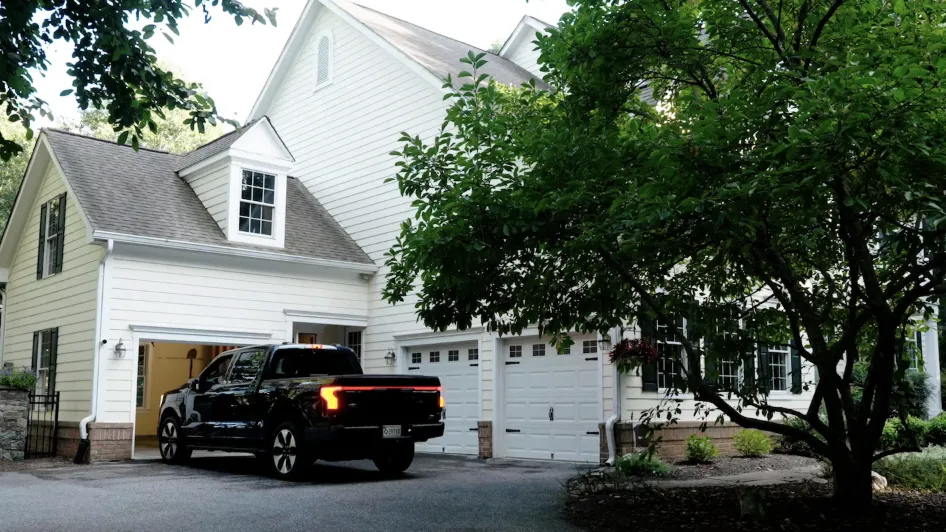
Matthias Preindl, director of the Center of Advanced Electrification at Columbia University and EE professor featured in the Washington Post article, commenting on how electric cars and trucks can use their huge batteries to power your home during a blackout.
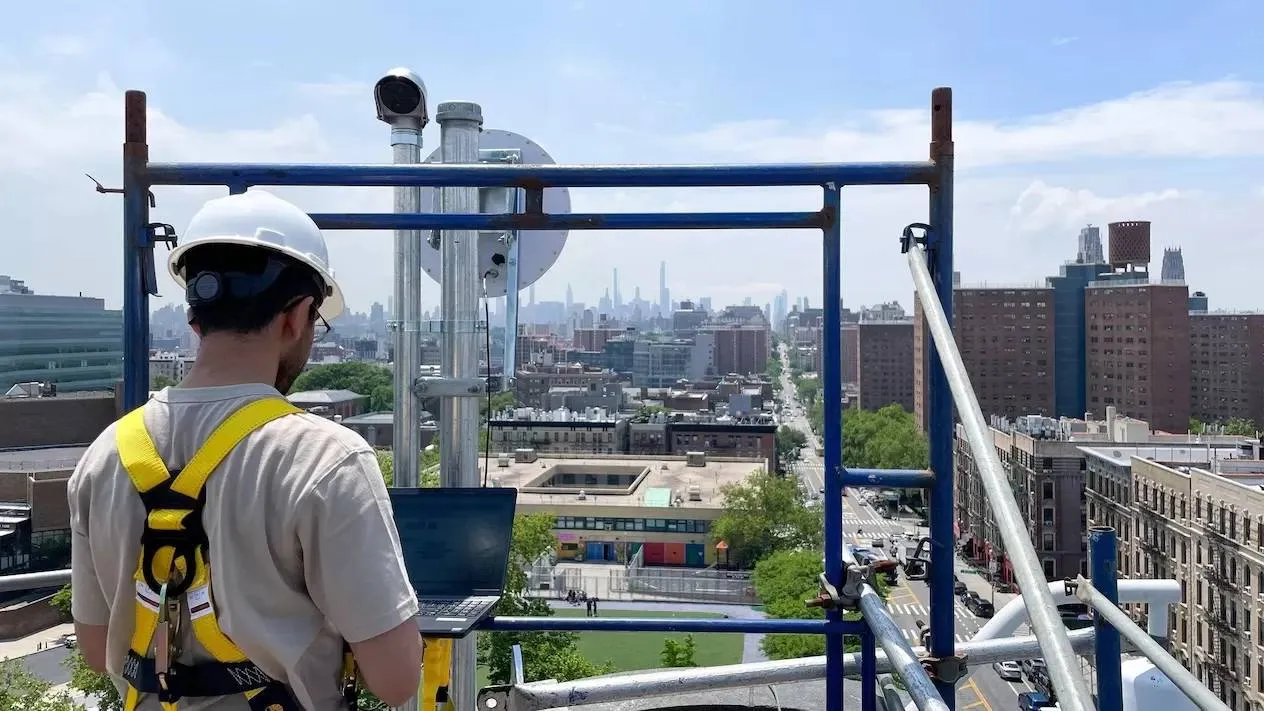
Building on years of collaboration Rutgers, Duke, and Columbia Engineering have been awarded a new $3.8 million NSF grant for COSMOS³, a project to expand and enhance New York City’s urban wireless testbed in West Harlem, enabling research in the areas of 6G wireless networks, smart cities, edge AI, and optical networking.
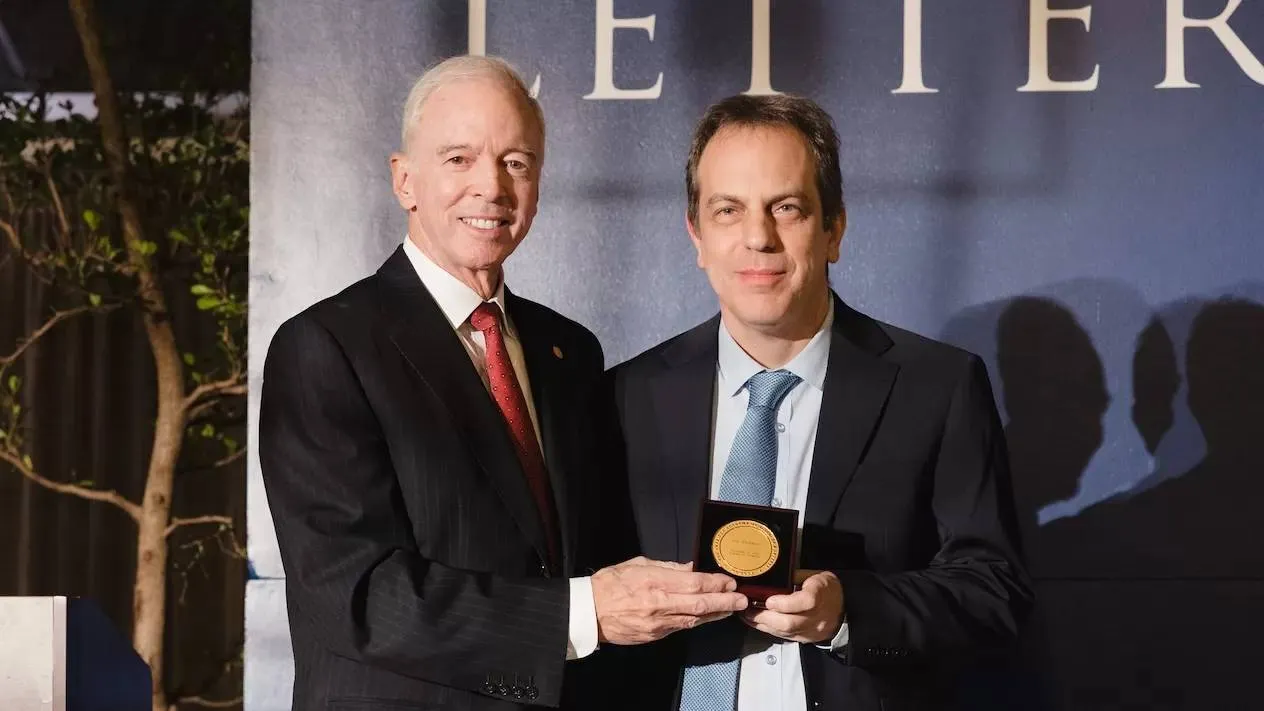
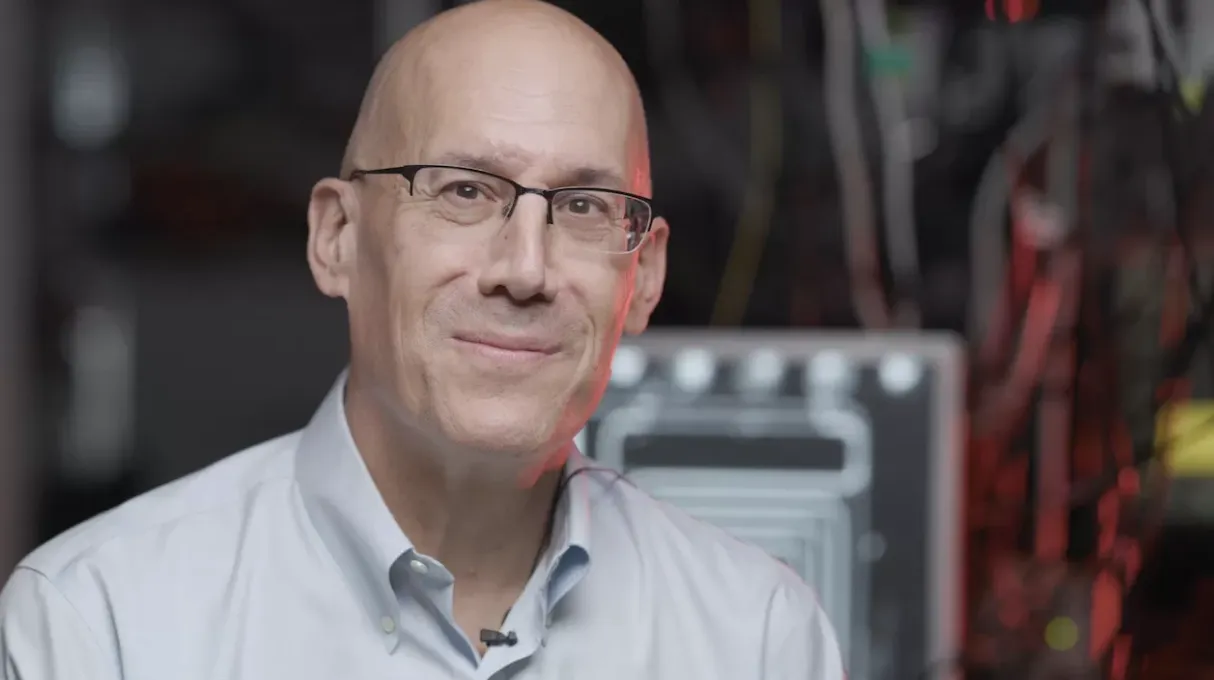
The pioneer in nonlinear photonics has been recognized by the American Physical Society for his groundbreaking work.
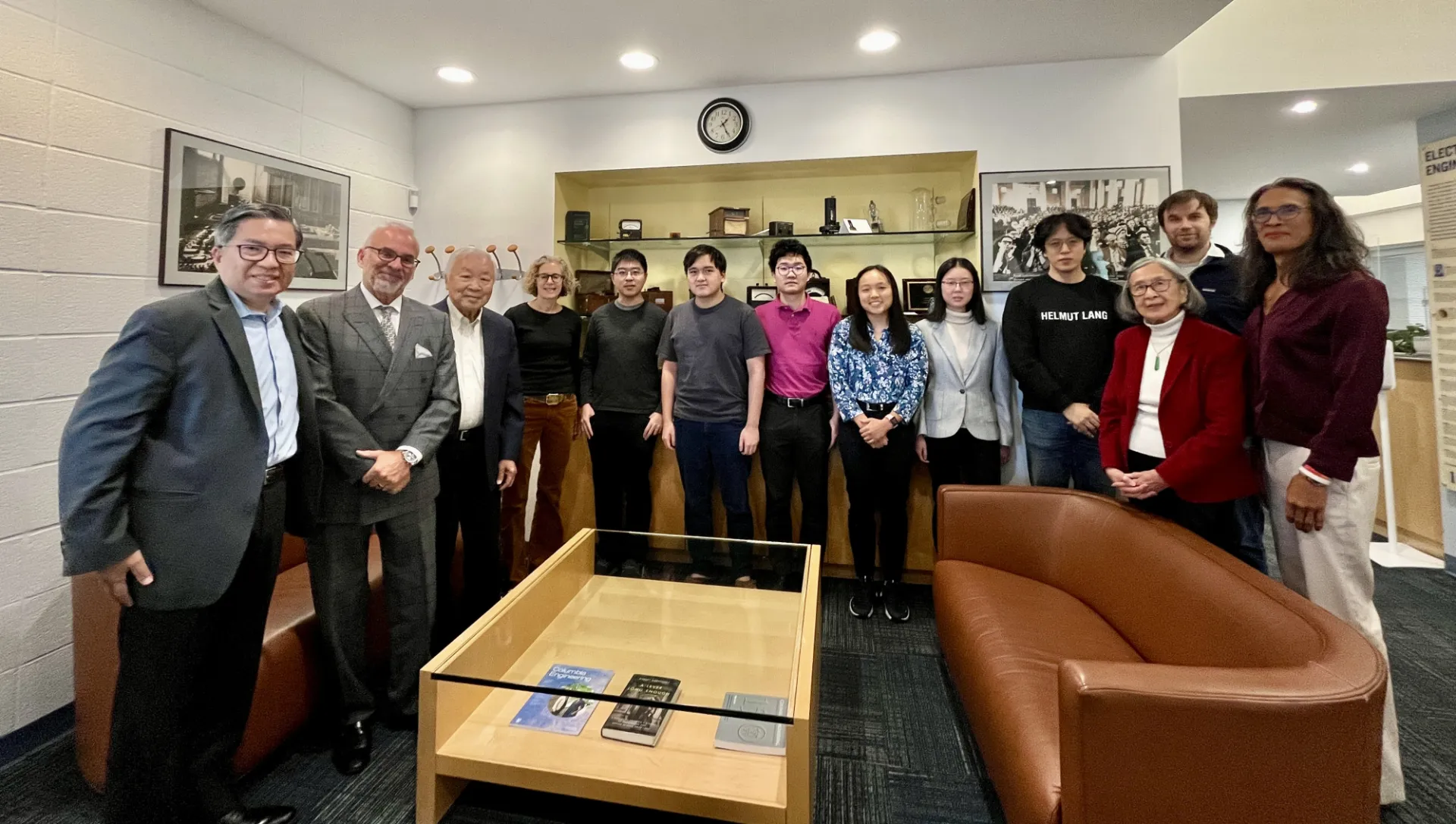
EE honors the 2025 Wei Family Foundation Fellows and celebrates a lasting partnership supporting innovation, education, and research excellence.
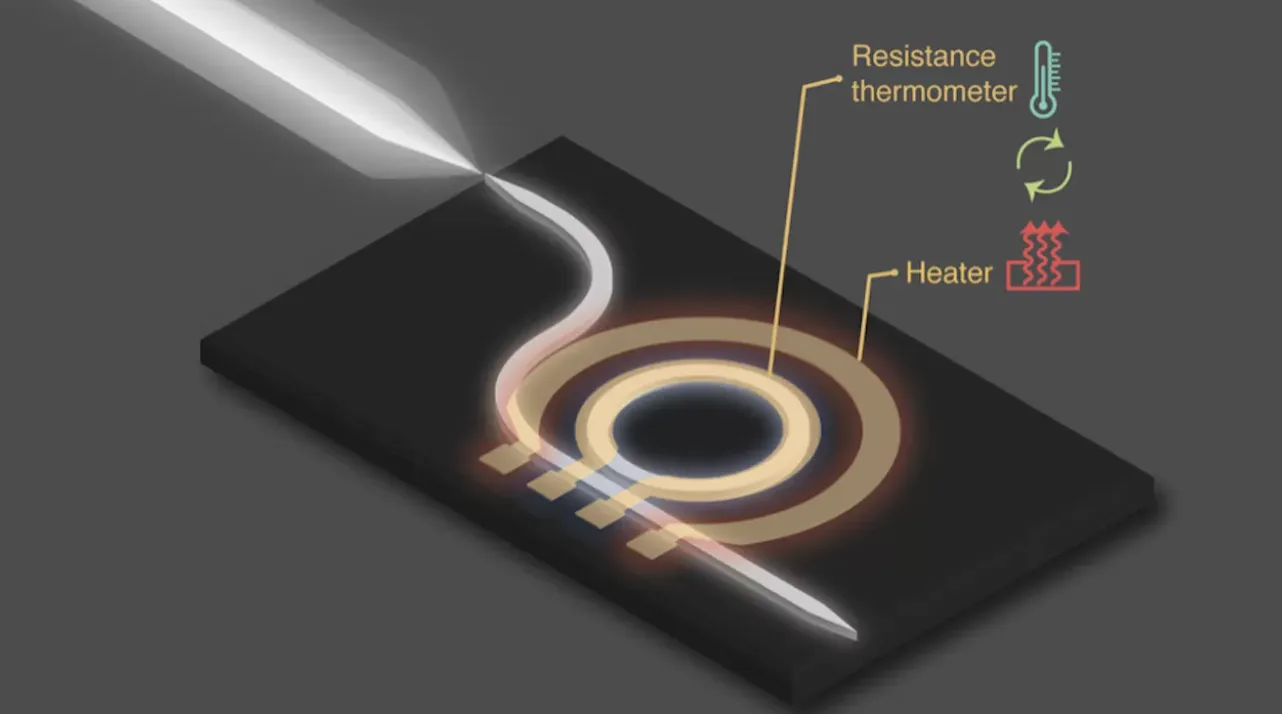
EE Professors Michal Lipson Alexander Gaeta spoke about how a thin resistor routinely used in photonic devices can also act as a thermometer—a simple feature that could help integrated photonics reach its full potential.
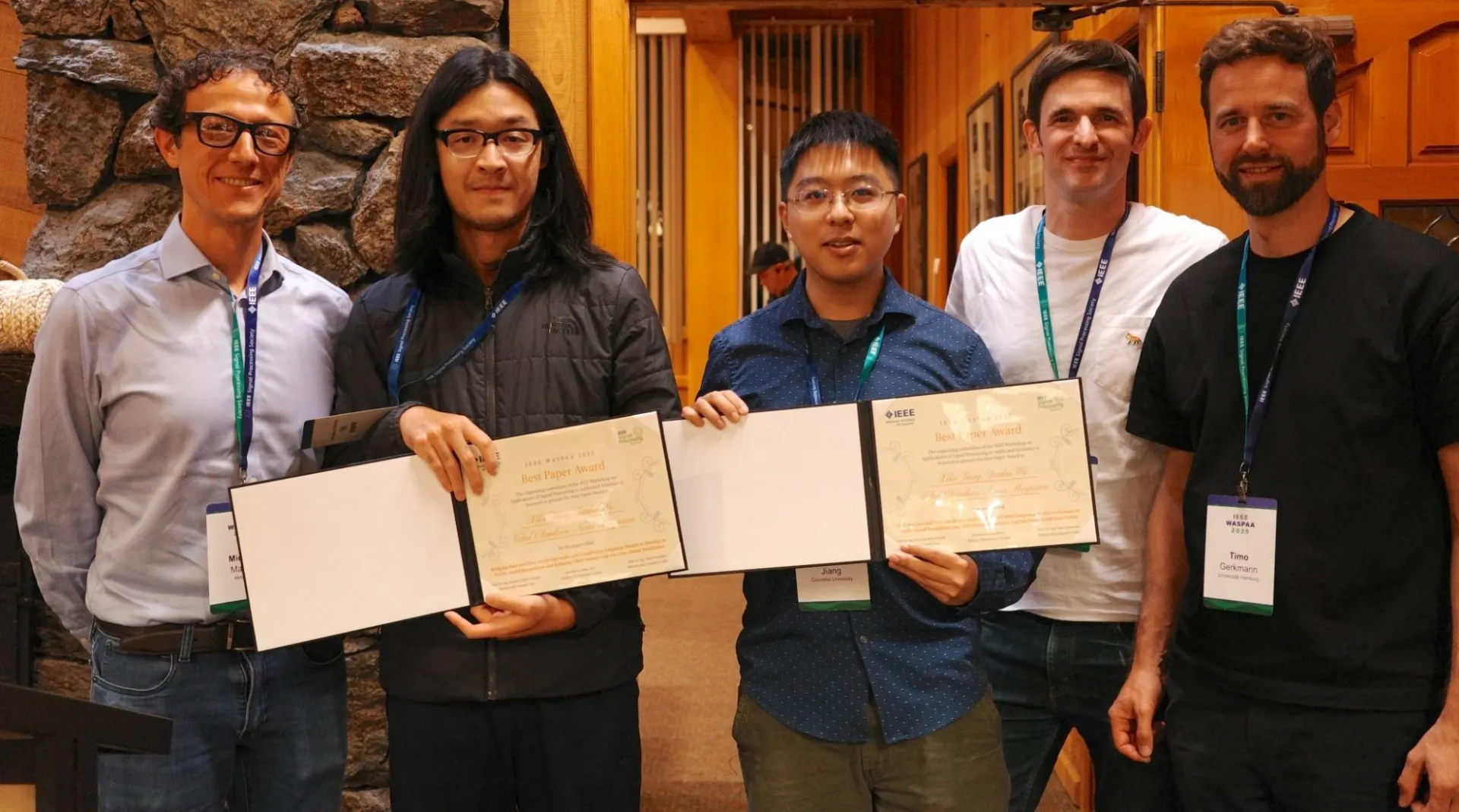
The award-winning paper explores how artificial intelligence models “hear” and “see” the world, uncovering similarities—and blind spots—between human and machine perception.
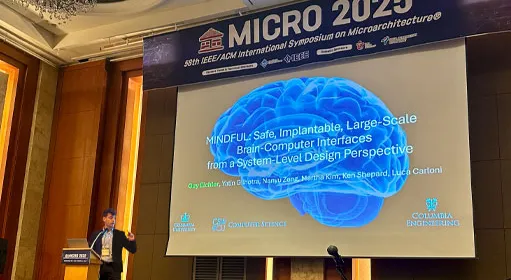
Guy Eichler, Postdoctoral Research Scientist in the EE department's Bioelectronic Systems Lab advised by EE Professor Ken Shepard, presented at MICRO 58 conference.