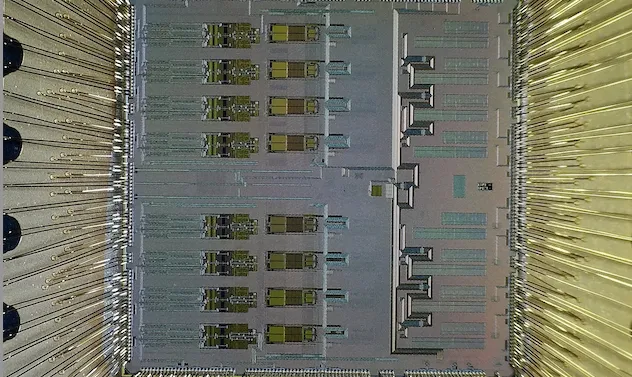
EE professor Peter Kinget for being recognized for his latest research in IEEE Spectrum. New chip will allow an observation of 1.5 billion collisions per second.
EE Professor Christine Hendon received the 2025 Herbert Irving Comprehensive Cancer Center and School of Engineering and Applied Sciences Joint Seed Grant Award for solving pressing challenges in cancer.
University initiative supports pioneering work in AI safety, clean energy, healthcare, and infrastructure resilience.
![The MOSbius chip [top left] contains all the transistors required for many analog systems. Mounted on a breadboard via a printed circuit board [middle], discrete resistors and capacitors [bottom] are wired up to provide other needed components. A Raspberry Pi Pico [bottom right] is used to program the MOSbius.James Provost](/sites/www.ee.columbia.edu/files/styles/cu_crop/public/content/pics/Screenshot%202025-07-31%20at%2010.41.59%E2%80%AFAM.png.webp?itok=uN2UjXyA "The MOSbius chip [top left] contains all the transistors required for many analog systems. Mounted on a breadboard via a printed circuit board [middle], discrete resistors and capacitors [bottom] are wired up to provide other needed components. A Raspberry Pi Pico [bottom right] is used to program the MOSbius.James Provost")
Peter Kinget is a professor of electrical engineering at Columbia University and an IEEE Fellow. In this latest IEEE story, he looks into how MOSbius' programmable chip can teach you the real-world ropes.
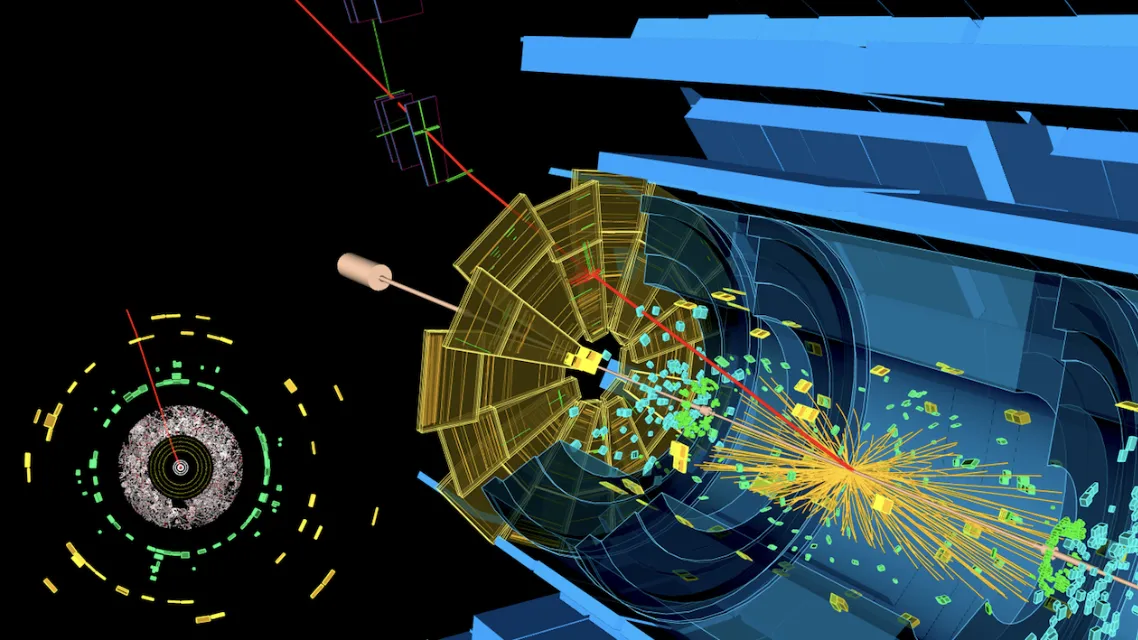
Professor Peter Kinget leads a team to partner with CERN to develop chips that can withstand radiation deep inside the world’s largest particle accelerator. His research also made it to the IEEE Open Journal of the Solid-State Circuits Society.
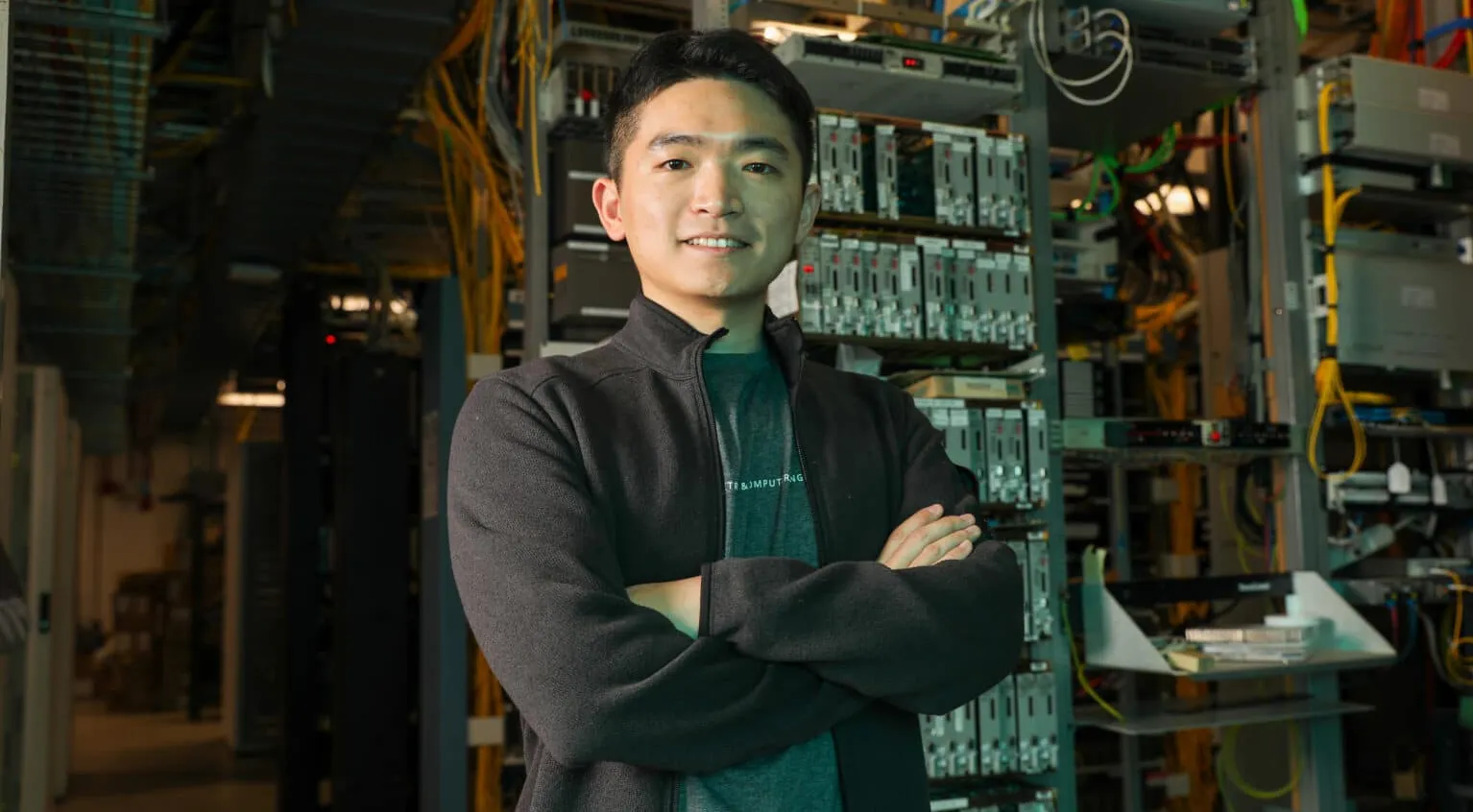
Wireless and optical communications expert receives NSF CAREER award to evaluate analog radio-over-fiber technology.

PhD student Wei Hao and Columbia Engineering Professors Asaf Cidon, Ethan Katz-Bassett, and Junfeng Yang co-lead groundbreaking study—the first to quantify the role of AI in cybercrime.
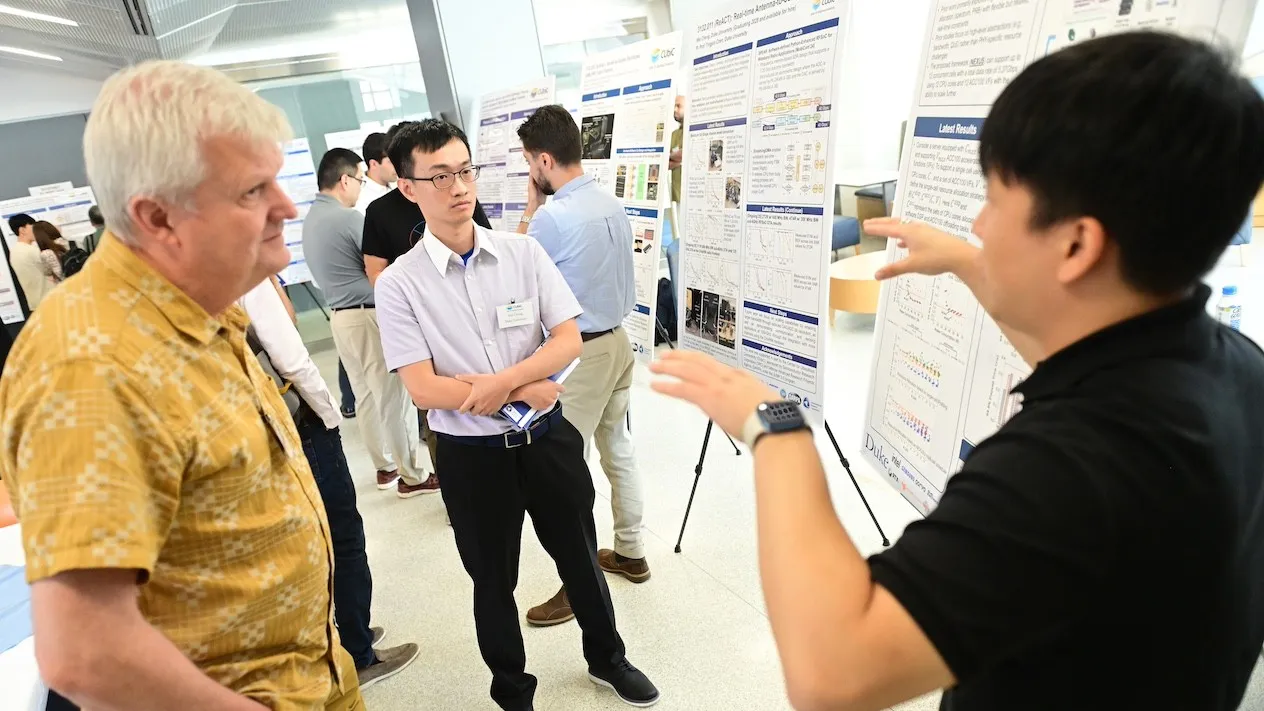
The Center for Ubiquitous Connectivity (CUbiC) deepens its system-level mission to reimagine energy-efficient communication—from next-gen wireless to AI data center infrastructure.
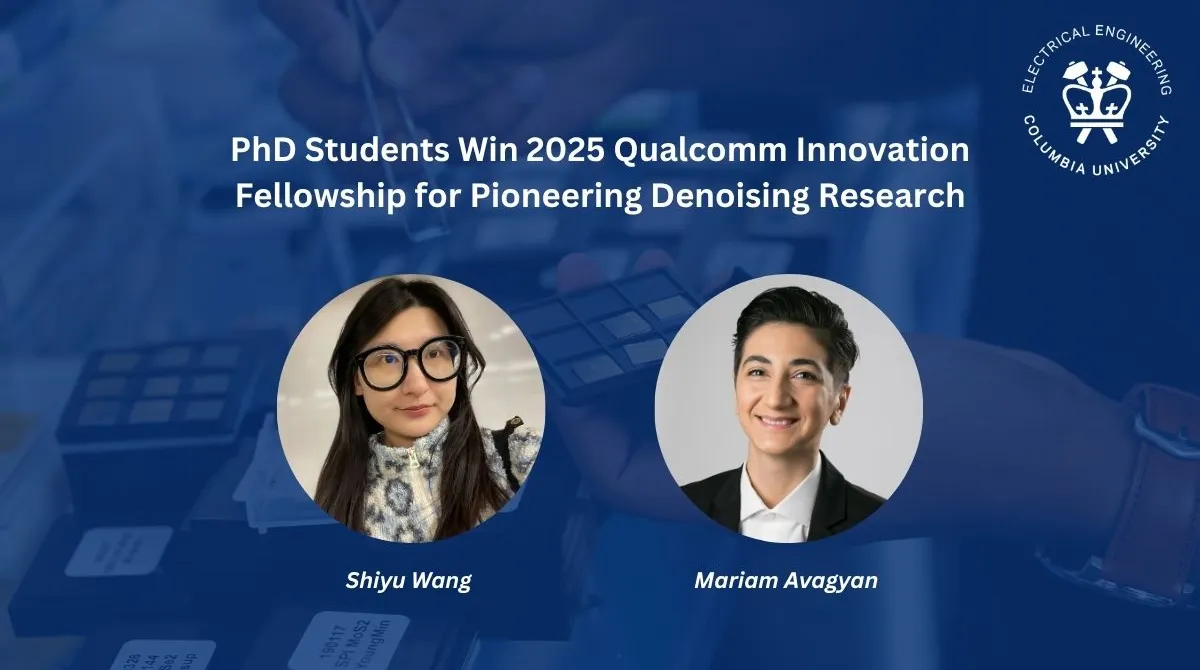
Shiyu Wang and Mariam Avagyan recognized for work on fast manifold denoising, advancing efficient learning architectures.
The Engineering School recognizes the first cohort of professors being honored for excellence and innovation in teaching.

With support from NVIDIA's Academic Grant Program, Kostic's team will build real-time, privacy-aware AI systems to make city intersections safer and more accessible for all.
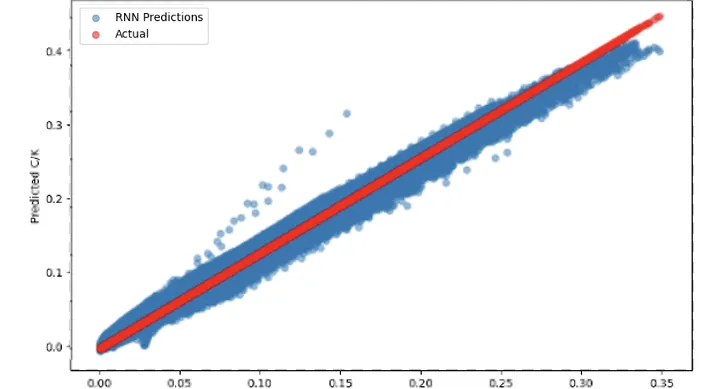
The study, published in the Journal of Mathematical Finance, uses hybrid RNNs with attention mechanisms to outperform traditional pricing models for European call options.