
Thanks to a generous Columbia Engineering alumni donor, 10 faculty teams have each won an $85,000 award to develop technology innovations for urban living in the face of COVID-19.

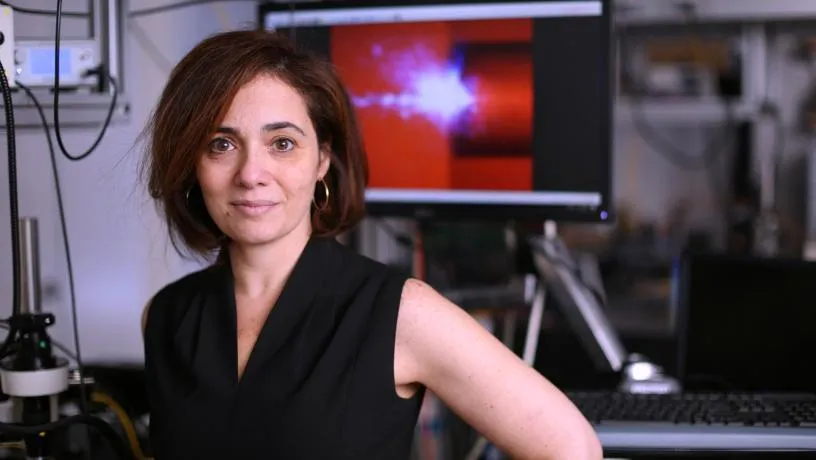
Lipson honored for her pioneering work in photonics.
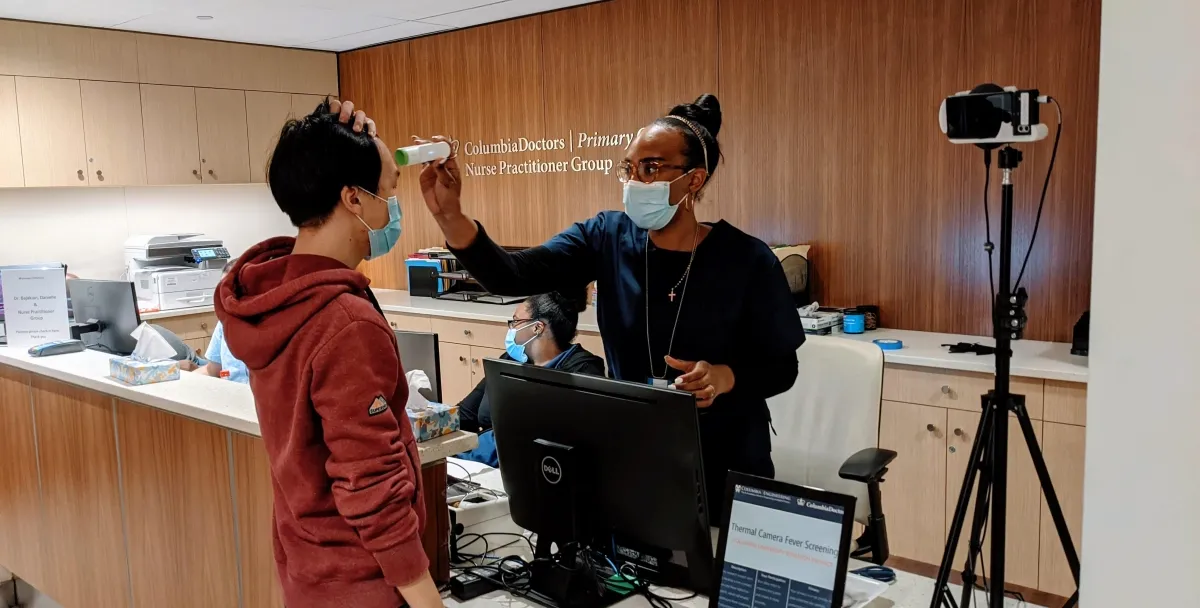
Jiang and team propose to develop a technology to perform continuous skin temperature measurements at-scale and at-low-cost, enabling continuous fever screening of populations in and at entrances to their natural habitats, such as hospitals, schools, businesses, cafes, restaurants, mass transits, road and bridge toll/EasyPass booths, homes and workspaces, without disrupting their day-to-day activities.

Incoming students learned about the EE/CE programs, career services, and the myriad of opportunities open to them.
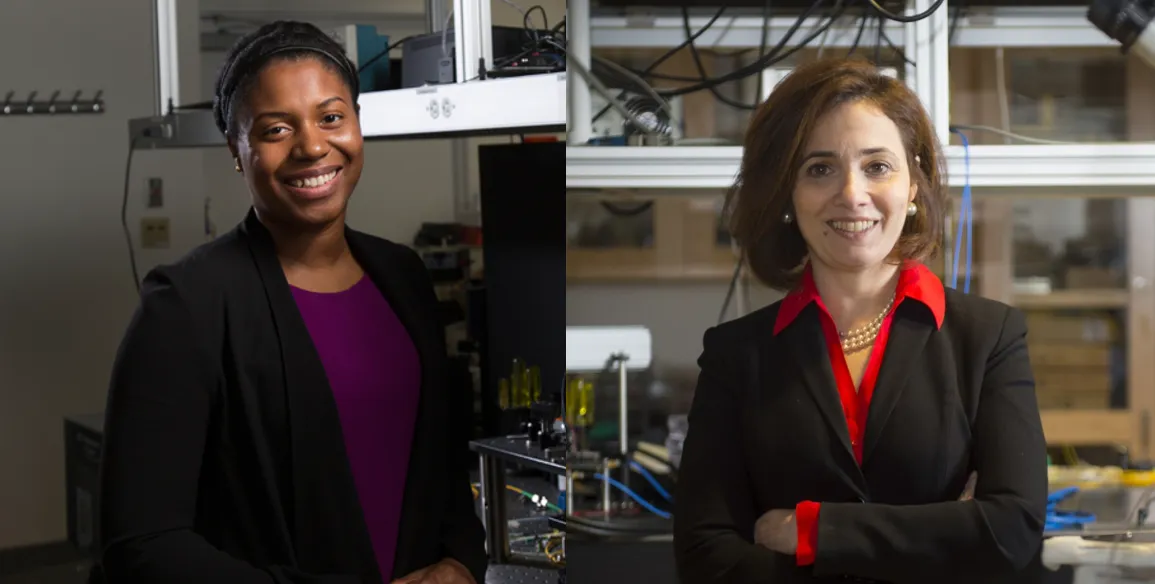
EE Professors Lipson and Hendon have received a number of awards and honors this fall.
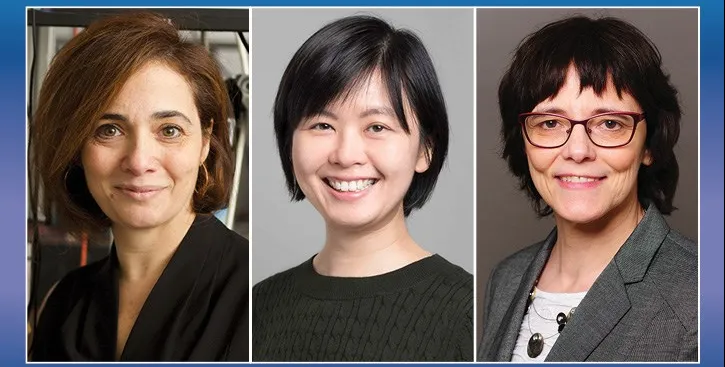
The Optical Society (OSA) is excited to announce that Dr. Michal Lipson, Eugene Higgins Professor at Columbia University, USA, has been elected by OSA members to serve as the society’s 2021 Vice President.

Three University researchers have joined a $115 million DOE-funded center that will pioneer quantum technologies that could benefit national security, pharmaceutical development, and more.
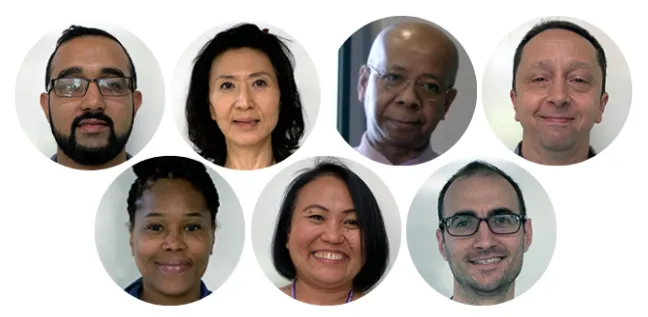
The NSF PAWR COSMOS testbed which is a collaborative effort involving Rutgers, Columbia, NYU, NYC, and several other partners has been accompanied by several extremely impactful educational outreach activities.
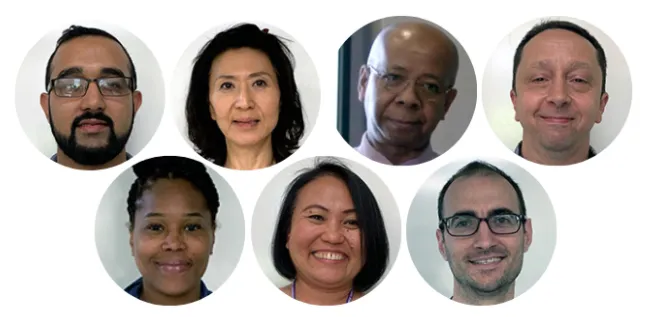
The NSF PAWR COSMOS testbed which is a collaborative effort involving Rutgers, Columbia, NYU, NYC, and several other partners has been accompanied by several extremely impactful educational outreach activities.

Fred Jiang, PhD, is an Assistant Professor in the Electrical Engineering Department at Columbia University and co-Chair of the Smart Cities Center in the Data Science Institute.

In their work, Ghaderi and his student provide causal scheduling algorithms for any traffic (arrival and deadline) process that evolves as an ``unknown’’ Markov chain (without knowing what packets with what deadlines arrive in future). Their algorithms significantly outperform greedy maximal scheduling policies. They have shown that it is possible to achieve a constant fraction of ``real-time’’ throughput region in any general network topology, and for any traffic Markov chain, without knowing the Markov chain. Their proposed randomized algorithms achieve at least 0.63 of optimal for collocated…